Gallery
Fire simulation visualizations showcasing different features of Wildfires.jl.
Directional Spread Models
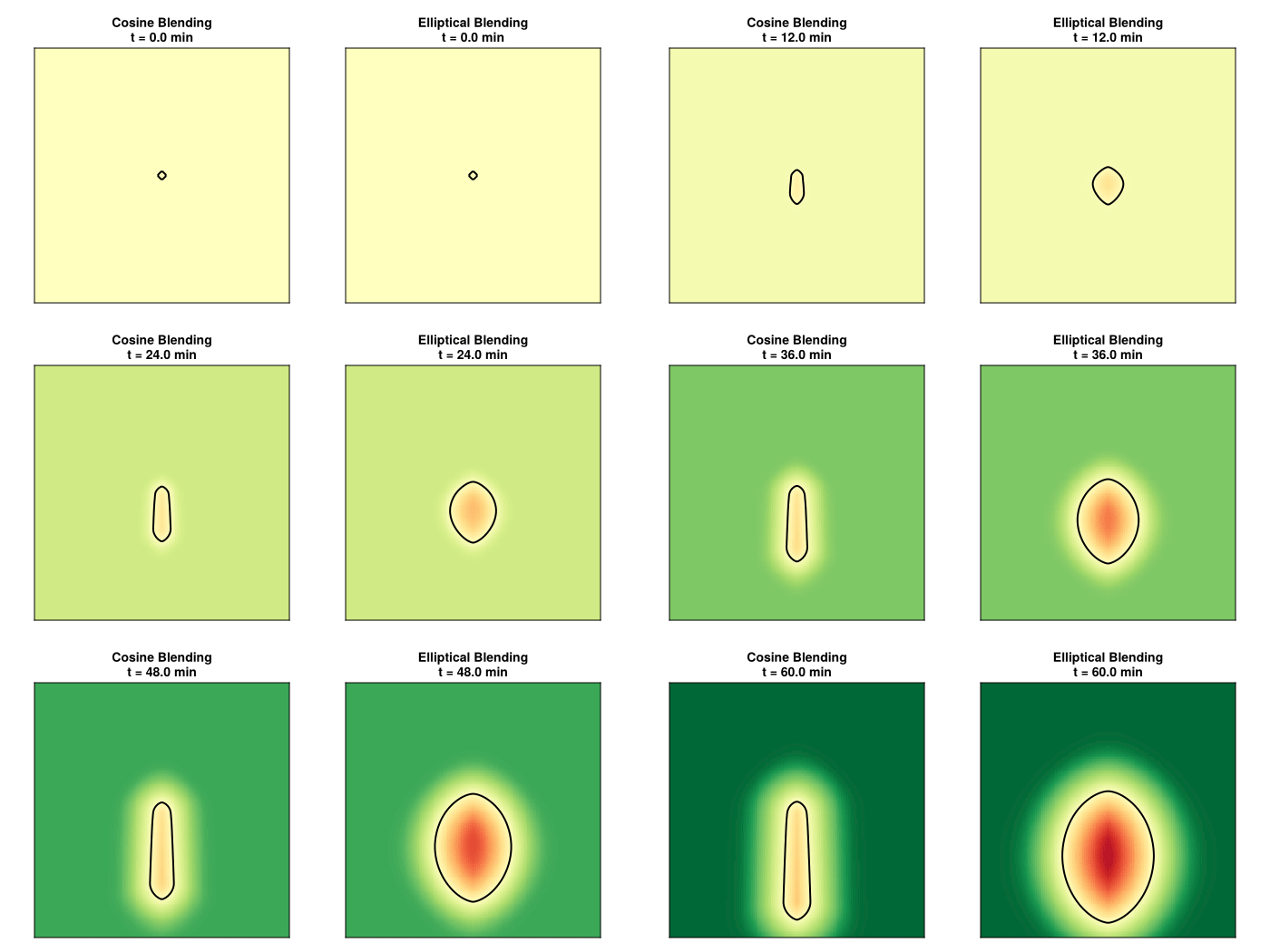
Cosine blending produces wider fires while the elliptical model (Anderson, 1983) creates more realistic elongated shapes.
Wind Direction Rose
Eight wind directions with elliptical blending — the fire elongates in the wind direction.
Calm Wind
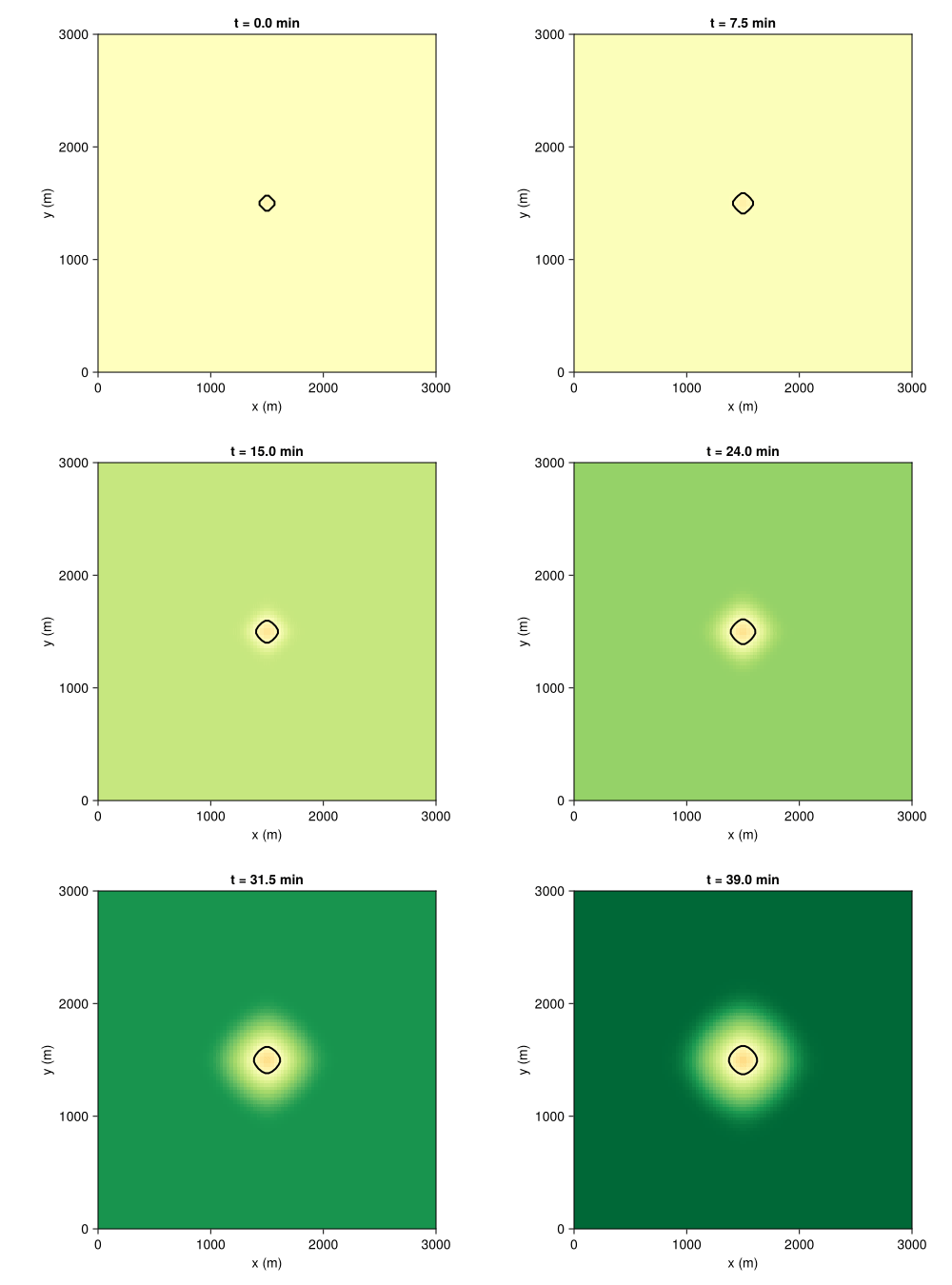
Near-zero wind produces nearly circular spread, driven primarily by the base rate of spread.
Burnout Ring
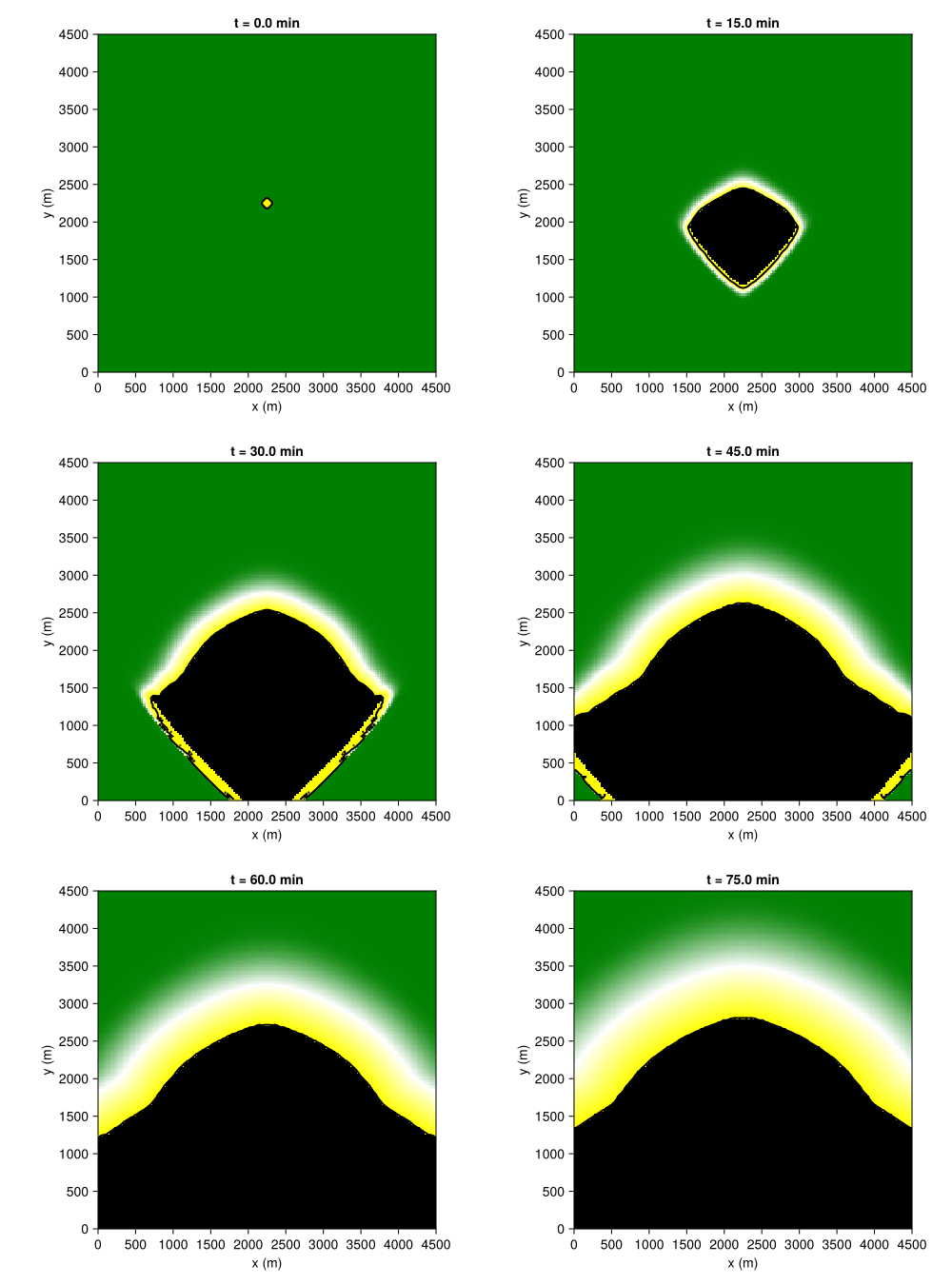
With burnout enabled, consumed fuel stops contributing to spread. The burnout-aware colormap shows actively burning cells (yellow/red) and consumed cells (black).
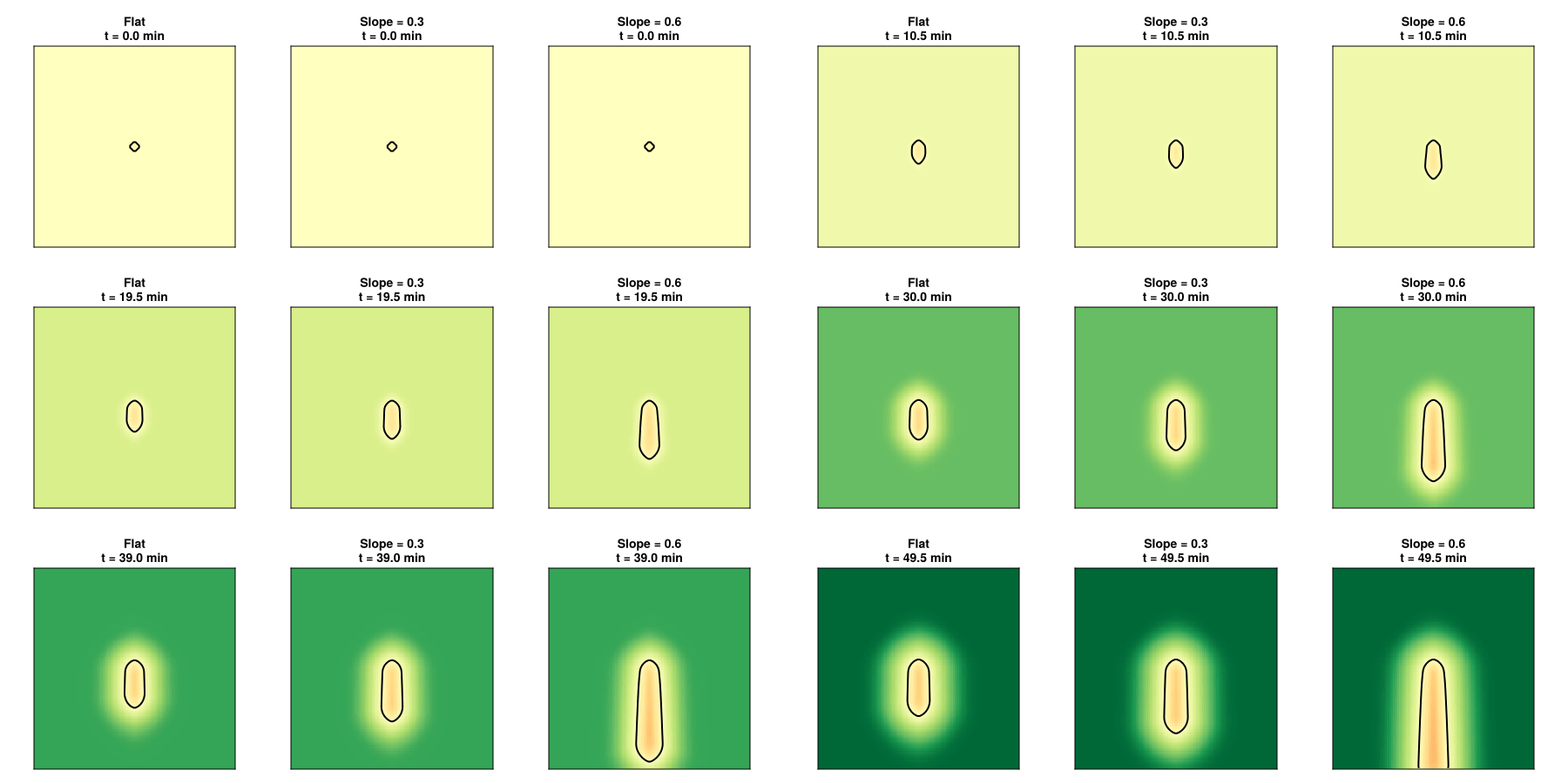
Slope Effect
Fire spreads faster uphill due to radiative pre-heating of fuels above the flame.
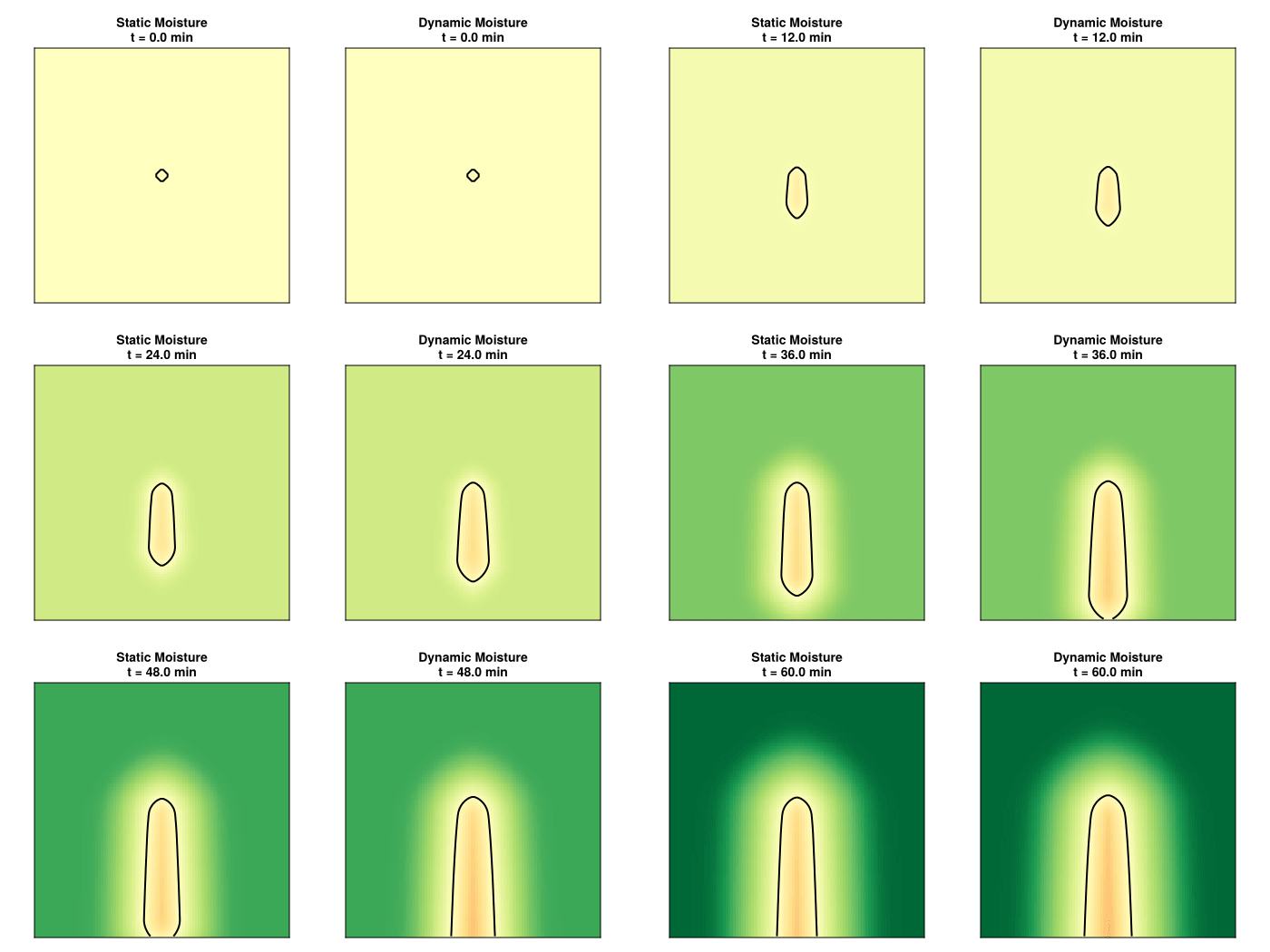
Dynamic Moisture
DynamicMoisture models fire-induced fuel drying — radiative heat dries nearby fuel, creating a positive feedback loop that accelerates spread.
Arrival Time Isochrones
The t_ignite field records when each cell ignited. White contour lines show fire front positions at equal time intervals.

Multiple Ignition Points
Three fires ignited at staggered times merge into a single perimeter. Arrival time coloring reveals the merge pattern.

Fuel Type Comparison
Different fuel models produce dramatically different spread rates and fire shapes under identical conditions.

Hero Animation
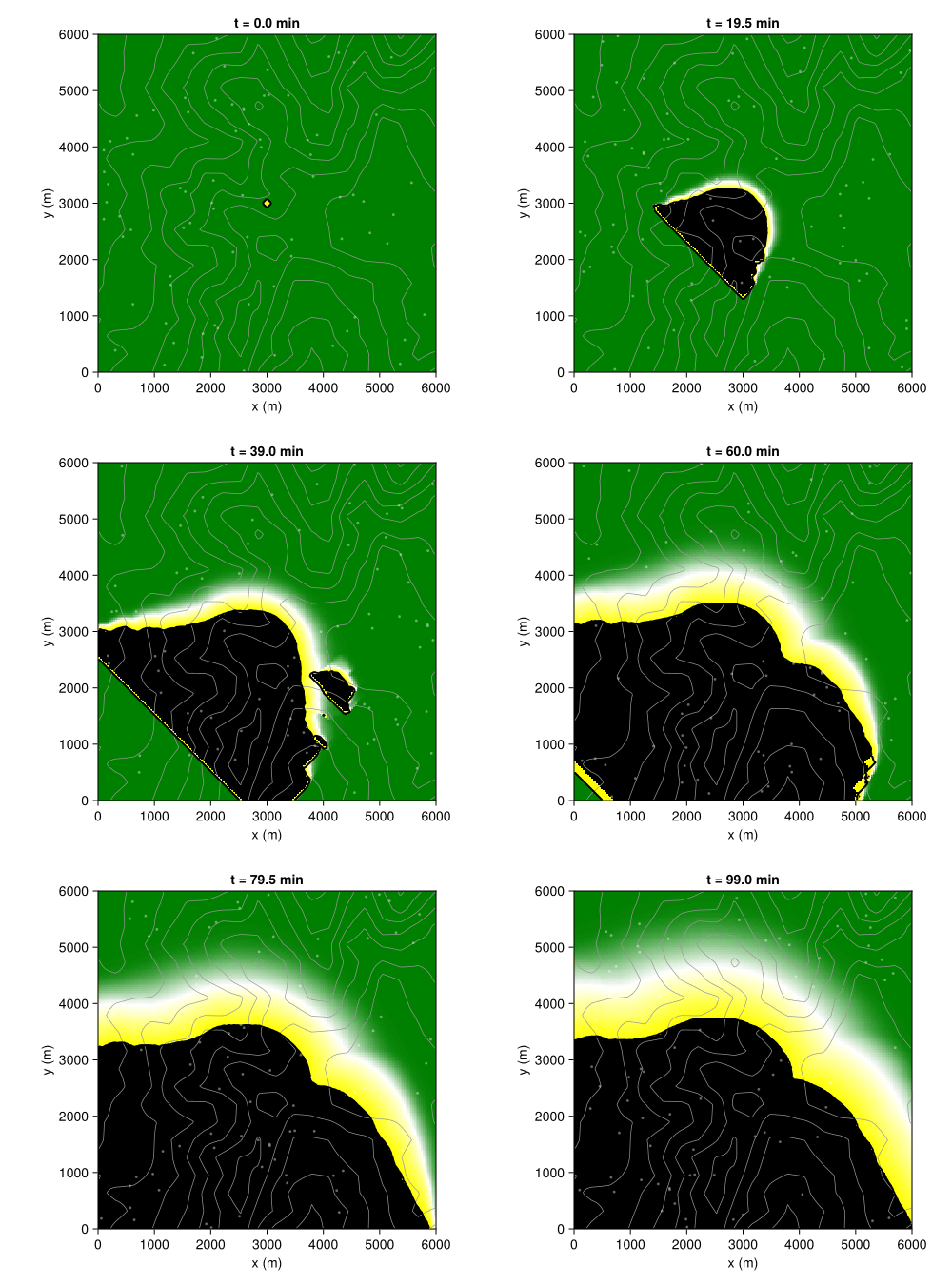
Elliptical spread with burnout on chaparral fuel over real-world terrain (Thomas Fire origin, Anlauf Canyon, CA) with wind particles — also displayed on the landing page.